The Myth Of The Benevolent Patriarch And How It Manifests In Feminist Discourse
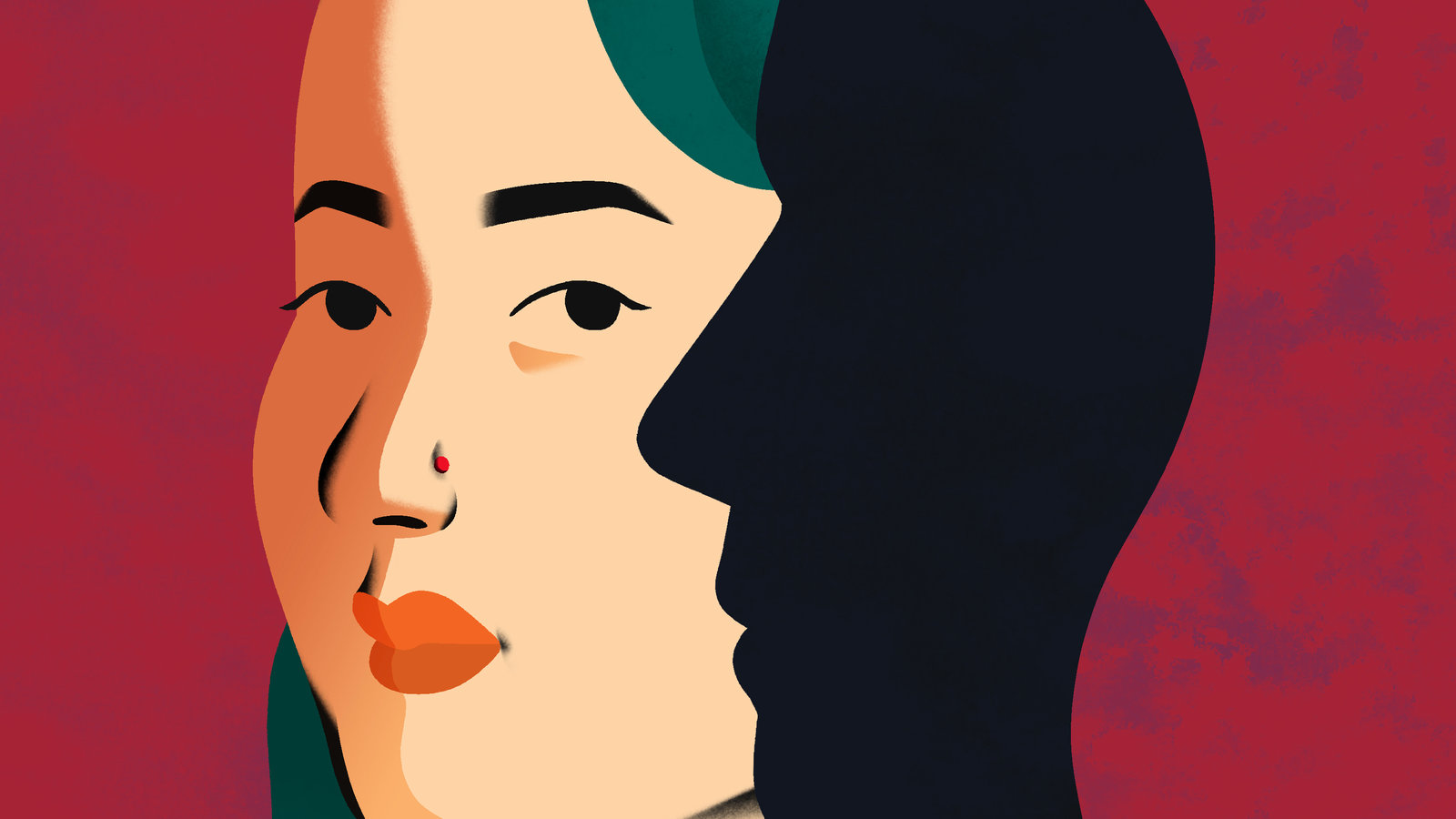
Modern feminist discourse often frames patriarchy as a system sustained primarily by overt misogyny: domineering husbands, sexist institutions, abusive men, online incels, and explicit beliefs about female inferiority. These are the obvious and visible expressions of patriarchy, and rightly so. Open hostility toward women is easy to identify and easy to condemn.
But patriarchy has never survived through hostility alone.
Systems of power rarely endure purely through coercion. They persist because they also embed themselves into emotional desires, romantic ideals, moral expectations, and social arrangements that people become attached to including people who consciously oppose the system itself. This is where the myth of the benevolent patriarch emerges.
The benevolent patriarch is not the cartoon misogynist openly declaring women inferior. He is the provider. The protector. The emotionally restrained but dependable man who pays for dates, leads relationships, absorbs hardship silently, initiates romance, performs competence, and offers women security in exchange for admiration, desirability, and social legitimacy. He is patriarchy softened into romance.
And despite increasingly egalitarian rhetoric, traces of this ideal continue to persist even within some feminist discourse.
This contradiction becomes especially visible online. One moment, patriarchal norms are criticized for restricting women’s autonomy; the next, those same norms are selectively reinforced when they continue to benefit women socially, romantically, or economically.
A woman may condemn traditional gender roles while simultaneously insisting that men should always pay for dates. She may critique toxic masculinity while mocking emotionally soft or feminine men with insults like “pussy,” “weak,” or “sassy.” She may advocate equality while rejecting “50/50 relationships” because “a man should provide.” She may criticize patriarchal expectations placed upon women while still expecting men to fulfill patriarchal obligations toward women.
These contradictions reflect the persistence of what social psychologists Peter Glick and Susan Fiske called benevolent sexism.
Their theory of Ambivalent Sexism distinguishes between two forms of sexism:
- hostile sexism
- benevolent sexism
Hostile sexism is obvious. It includes overt misogyny, contempt, domination, and beliefs about female inferiority.
Benevolent sexism is subtler. It frames women as uniquely deserving of male protection, provision, and care. It idealizes women as morally special, delicate, or worthy of pedestalization. Unlike hostile sexism, benevolent sexism feels positive. It often appears romantic, respectful, or even empowering.
But beneath that warmth lies the same core assumption: Men and women occupy fundamentally unequal social roles.
The crucial insight of benevolent sexism is that patriarchy is not maintained only by degrading women. It is also maintained by idealizing them.
This is why patriarchal norms can survive even inside ostensibly progressive spaces. Many people reject patriarchy’s restrictions while still desiring its privileges. They oppose male authority over women while continuing to value the social arrangements historically attached to that authority.
As a result, many people reject patriarchy’s restrictions while still desiring its privileges. What emerges is not the abolition of gender roles, but their selective preservation.
One of the clearest examples of this is the continued policing of romantic initiation.
Despite rhetoric about equality and empowerment, women who openly pursue men are still frequently mocked online. A woman asking a man out, proposing first, expressing overt romantic vulnerability, or visibly desiring a man is often met with ridicule:

- “Get up [from your knees]. Why are we doing this?”
- “Never chase a man.”
- “If he wanted to, he would.”
The backlash reveals how deeply traditional romantic scripts remain culturally embedded.
Under traditional patriarchy, pursuit was masculine: men initiate, risk rejection, prove desirability through pursuit and women select rather than pursue.
Even in supposedly progressive spaces, these expectations often remain almost untouched. Equality is embraced rhetorically, but asymmetry remains desirable when it preserves romantic advantage or emotional security.
This turmoil, again, rears its head in the ways masculinity itself is treated. Contemporary discourse often encourages men to be emotionally open, vulnerable, and authentic. Yet men who fail to embody traditional masculine performance are still frequently ridiculed, sometimes by the same communities that criticize rigid masculinity.
Recent online trends mocking “performative men,” “sassy men,” “soft men,” or overly expressive men reveal how strongly traditional masculinity continues to be enforced socially. Feminizing insults remain common forms of humiliation. Weakness in men is still coded as womanhood or homosexuality. Masculinity remains something men are expected to constantly prove.
Even supposedly progressive discourse often reproduces the same patriarchal assumption: A man’s worth is tied to how effectively he performs masculinity.
Another increasingly common phenomenon online is the framing of male goodness as exceptional rather than ordinary.
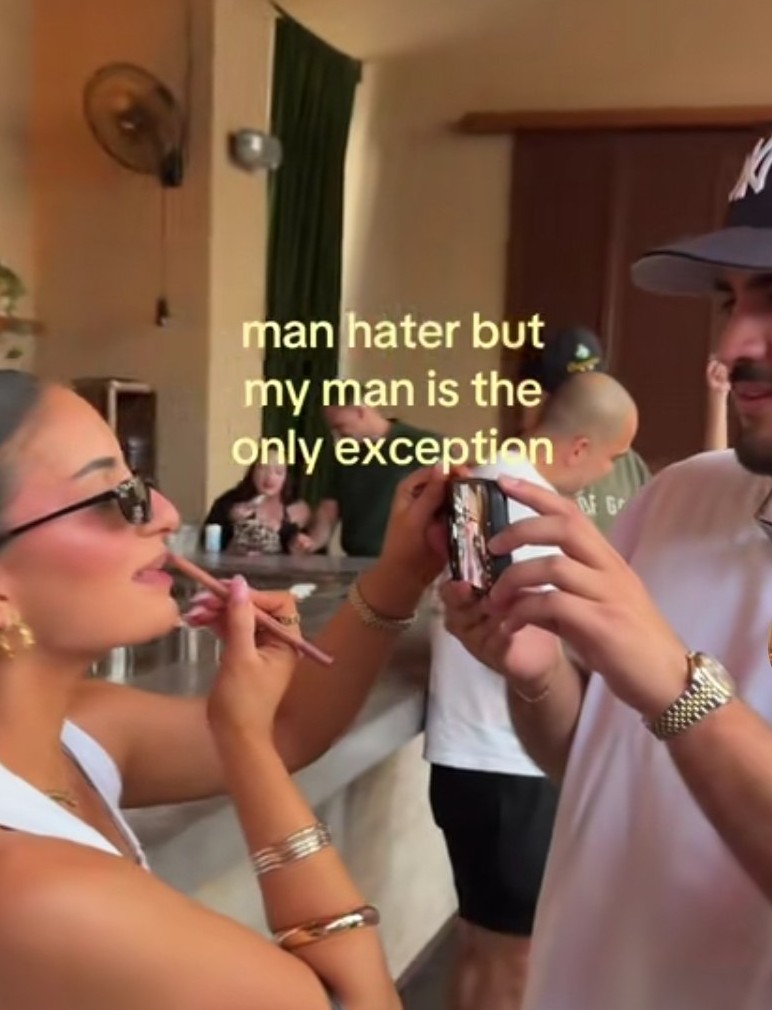
Statements like:
- “I hate men but not my boyfriend.”
- “Men are trash except him.”
- “He restored my faith in men.”
are often presented humorously or casually. But beneath them lies a troubling implication: That cruelty, selfishness, emotional incompetence, or moral failure are natural male traits.
Ironically, this framing can unintentionally normalize the very behaviors it claims to condemn.
If men are treated as inherently emotionally deficient or morally dangerous, then harmful male behavior begins to appear less like an ethical failure and more like an inevitable expression of male nature. Misogyny becomes expected rather than shocking. Abuse becomes less an inhuman act and more a fulfillment of natural predisposition.
But genuine moral condemnation requires the assumption of shared humanity.
To meaningfully condemn cruelty, one must believe the person could have acted otherwise. Reducing men to naturally harmful beings weakens moral accountability because it transforms unethical behavior into biological inevitability.
A more humanistic framework would reject both misogynistic essentialism and misandrist essentialism alike: Men are not naturally predators, nor are women naturally morally pure. Both are equally human, equally capable of empathy, selfishness, cruelty, tenderness, insecurity, and love.
This matters because patriarchy itself historically relied upon essentialist assumptions:
- Men are naturally dominant.
- Women are naturally nurturing.
- Men are naturally aggressive.
- Women are naturally virtuous.
Replacing one essentialism (men are naturally dominant) with another (men are naturally morally deficient) does not dismantle the logic. It merely inverts it.
A likely criticism of this argument is that such asymmetrical expectations toward men cannot be separated from the broader patriarchal system in which men, as a class, still retain disproportionate social power.
Under this view, expecting men to pay for dates, initiate romance, protect women, or absorb emotional burdens is not hypocrisy but compensation. Since patriarchy historically advantaged men politically, economically, and socially, women cannot reasonably be expected to engage with men from a perfectly symmetrical position.
There is truth within this argument. Patriarchal structures have historically benefited men in many domains, and many of those effects persist today. Ignoring this reality would oversimplify gender relations.
However, acknowledging structural inequality does not automatically justify preserving every traditional expectation placed upon men.
If equality is treated as a genuine ethical principle rather than a selective negotiation strategy, then gendered obligations themselves must also remain open to scrutiny because they are artifacts of the same assumption that men and women do not stand on equal footing. And sure, men might still be benefitting from the system, but the response to that should not be to let them continue benefitting so long as they compensate for it, it is to remove the benefits and the obligations altogether.
Taking a compensatory framework when dealing with the privileges men have had and continue to have unintentionally reproduces the same moral logic patriarchy itself historically relied upon: That unequal treatment is justified if it serves a socially approved purpose. In the case of patriarchy, that socially approved purpose was social order, protection, and the supposed “greater good” of society; all the compensatory framework does is swap that purpose to historical correction, restitution, or equity. But equality and compensation are not necessarily the same thing.
If rigid gender roles, emotional repression, and asymmetrical expectations are harmful, then they remain harmful even when selectively preserved for romantic, social, or symbolic reasons. Otherwise, equality stops being a principle and becomes merely a redistribution of gendered privileges and burdens.
More importantly, this logic risks dehumanizing men in a subtler way. When male suffering or restrictive expectations are dismissed as acceptable costs of historical imbalance, men cease to be treated as individuals with emotional and moral worth independent of their demographic category and history.
A genuinely egalitarian framework cannot simply invert patriarchal asymmetry while preserving its underlying assumptions. It must reject the idea that either gender exists primarily to perform socially assigned obligations for the other.
The problem with the myth of the benevolent patriarch is not that kindness, generosity, protection, or emotional support are inherently oppressive. The problem is that these traits are often transformed from freely chosen human behaviors into gendered obligations asymmetrically expected from men.
Once provision, pursuit, stoicism, and protection become moral duties tied specifically to masculinity, the patriarchal framework remains intact even if its harsher edges are softened.
Patriarchy rarely survives today through explicit declarations that women are inferior. More often, it survives through selective nostalgia for the comforts, protections, privileges, and romantic ideals embedded within traditional gender roles.
The benevolent patriarch persists because many people still desire what he represents, even while rejecting the name of patriarchy itself.
you can also find solivagant on his telegram channel cerebralsymphony