fiction
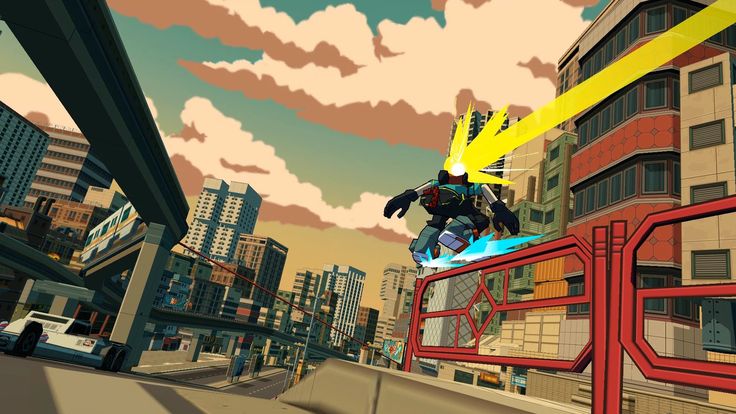
Shibuya Sector
What the Hell is Grind Fiction?
Not a genre exactly. More like a city-sick frequency you can tune your writing to.
I should probably explain myself.
I keep saying “grind fiction” like it is a real thing with a Wikipedia page and a dead French guy attached to it. It isn’t. Not yet anyway.
It is a phrase I use for a certain texture. A certain pressure in the air. A way of looking at the city when the city has stopped pretending to love you back.
Grind fiction is what happens when you mix neon with exhaustion. Style with rent. Music with hunger. Street fashion with spiritual corrosion. It is not just cyberpunk with better sneakers. It is not just doom with LED lights. It is not just “the future is bad.”
It is the feeling of being young, alert, overexposed, broke, online, half-beautiful and half-destroyed while the whole city flashes advertisements in your face like it is trying to hypnotize you into obedience.
That is the grind.
That is the fiction.
So what is it exactly
Grind fiction is urban pressure turned into atmosphere.
It is stories about movement without progress. Desire without fulfillment. Community under stress. Beauty growing out of ugliness like weeds through cracked concrete. It likes train stations, convenience stores, side streets, cramped apartments, late-night diners, plastic rain, cheap cigarettes, overworked lovers, unwashed genius, bootleg spirituality, pirated software, and the kind of ambition that leaves scar tissue.
The characters in grind fiction are usually trying to become something before the city turns them into something else.
They are couriers, students, hustlers, designers, coders, dropouts, musicians, lovers, interns, nobodies, washed-up prodigies, girls with split lips and boys with god complexes and all the people in between. They are not chosen ones. They are not clean heroes. They are not above contradiction.
They are just under pressure.
The shibuya punk part
When I say I want the layout to feel like Shibuya punk, I don’t mean “put Japanese text on it and call it a day.” I mean saturation. Collision. Youth culture under capital. Bright surfaces hiding nervous systems on fire.
Shibuya, at least in the imaginary I am borrowing from, is not simply a place. It is an intensity. Screens everywhere. Music leaking from every wall. Fashion as armor. Identity assembled in public. Loneliness happening in crowds. You can become anyone for six hours and then miss the last train home and remember exactly how fragile you are.
Punk enters because grind fiction does not admire the city politely. It steals from it. Tags the walls. Misuses the signs. Cuts up the glossy brochure and turns it into a warning label.
So the aesthetic matters, yes. Graffiti titles. Broken grids. loud color. Stickers, tape, static, shine.
But the soul matters more.
The soul is this: how do human beings keep a pulse in systems built to flatten them?
How you can be part of it
You do not need permission.
That is the first rule.
If grind fiction means anything, it means that aesthetics should not remain the private property of institutions, publishers, trend forecasters, or people with immaculate bookshelves and enough sleep. If you have a notebook, a phone, a blog, a camera, a text file, a voice memo app, a cheap mic, a half-dead laptop, you can participate.
Write the overheard sentence on the bus.
Write the smell of the train after rain.
Write what it feels like to work all day and still come home to a room that does not feel like yours.
Write the weird beauty of an ugly district.
Write your little humiliations. Your small acts of theft from despair. The fake confidence. The real tenderness. The way your friends dress like the world is ending but still ask if you’ve eaten.
That is part of it too.
Grind fiction does not need to be a novel. It can be:
- a short story about a courier who starts hearing prophecies in station announcements
- a photo essay of ugly intersections that somehow still feel holy
- a blog post written at 2AM after your shift when your body feels rented out
- a comic full of static, sneakers, fluorescent vending machines, and bad decisions
- a song that sounds like walking under too many signs with too little money
The point is not polish. The point is signal.
Does it have to be miserable
No.
And if it does, it dies.
Aesthetic despair is cheap. The internet manufactures it in industrial quantities. Anyone can make something look ruined. The harder thing is showing how people continue inside ruin without becoming spiritually vacant.
Grind fiction needs friction, yes. But it also needs appetite. Humor. Romance. Lust. Friendship. Taste. Style. Petty vanity. Sudden acts of generosity. A bowl of noodles at the right hour. A stranger covering your fare. Someone fixing your eyeliner in a bathroom mirror. Someone sharing a cigarette with you like it is communion.
Without those things, all you have is decor.
Can it relate to solarpunk
I think so. I think it should.
At first glance they seem like enemies.
Solarpunk says maybe we can build better futures.
Grind fiction says look around, we are already being chewed up by this one.
But those are not contradictions. They are positions in a conversation.
Solarpunk is what happens when hope learns engineering. Grind fiction is what happens when hope gets insomnia and keeps walking anyway.
One imagines repair. The other records damage.
One asks what a livable world could look like. The other asks what living costs right now under unlivable conditions.
If they meet, something interesting happens. You get stories that do not lie about exhaustion but do not worship it either. You get futures that are green but not naive. Cities that compost their waste and still have graffiti on the walls. Neighborhood power grids beside corner stores and rooftop gardens above train noise. Mutual aid with attitude. Repair cultures with scars still visible.
That is the version I like.
Not pristine utopia. Not terminal collapse.
Something dirtier. Something earned.
A small manifesto if you need one
Grind fiction should remember that people are more interesting than systems, even when systems are crushing them.
It should never confuse consumer cool with actual life.
It should stay close to the ground.
It should love details.
It should distrust clean narratives.
It should let beauty survive without making beauty innocent.
It should leave room for weird hope.
Not the motivational speaker kind.
The alleyway kind.
The kind with chipped nail polish and a dead phone battery and one good friend who still shows up.
Final thing
If you want to be part of grind fiction, pay attention.
That is all.
Pay attention to what the city is doing to people. Pay attention to what people do back. Pay attention to the styles they invent so suffering does not get the last word.
Then make something from it.
Not later.
Now, while the signs are still buzzing.